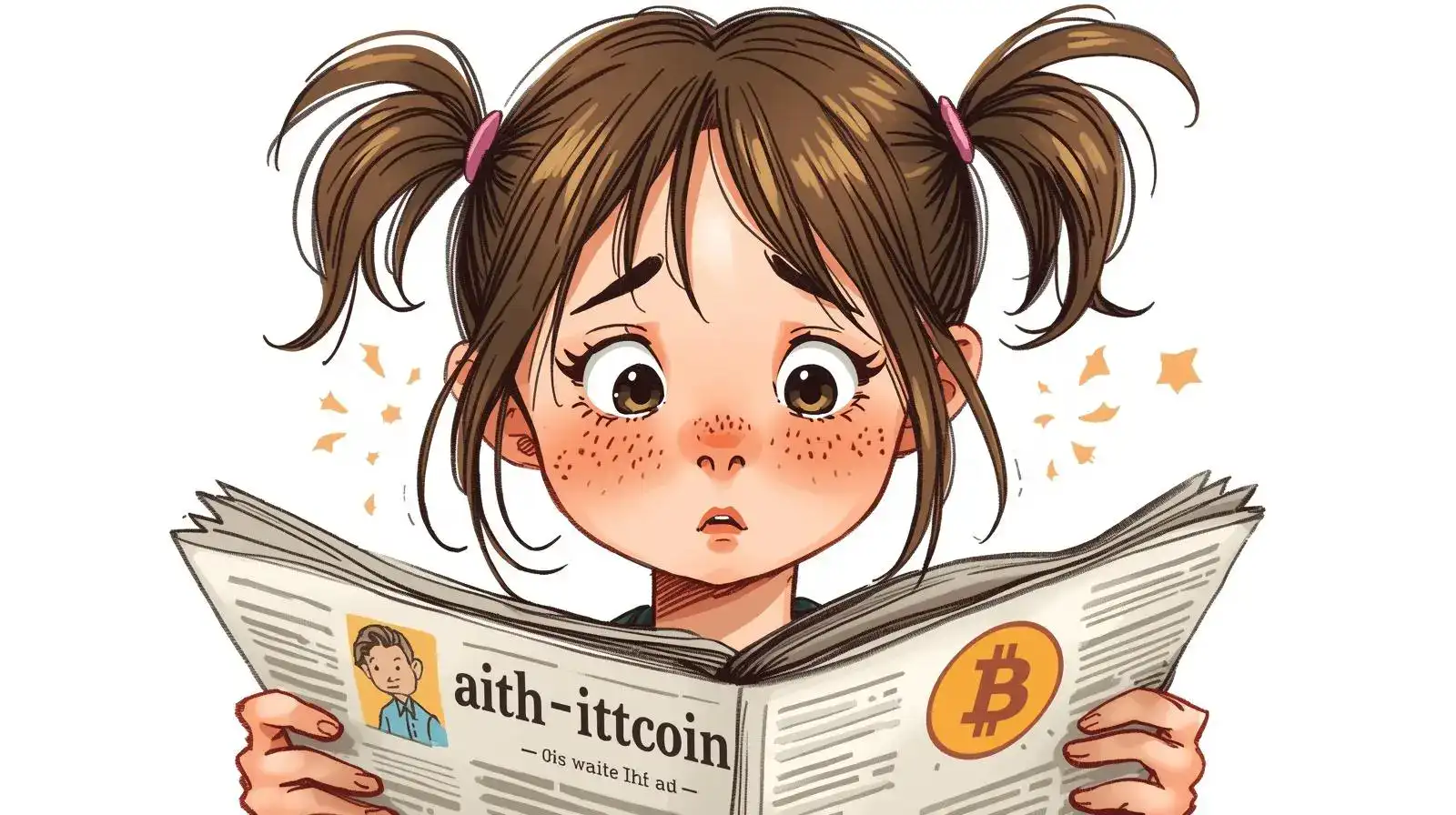
Cryptocurrency for beginners can feel overwhelming. It’s like being handed a recipe in another language. Then you’re expected to make dessert without burning the kitchen down. Some people talk about crypto as if everybody should already understand it. Others make it sound like a secret club with its own dictionary. The truth is much simpler. We can learn the basics without feeling silly, lost, or late to the party.
Before we go any further, let me say this clearly. I am not a financial advisor. I cannot advise anyone on investing. I also cannot tell people what to do with their money. My goal is much simpler than that. I just want to take a topic full of mystery. I aim to digest it for us normal folk. This way, we can better understand it and feel part of the conversation.
So, What Is Cryptocurrency?
Cryptocurrency is a type of digital asset that exists online. You cannot fold it and put it in your purse like cash. It lives on computer networks and is recorded through a system called blockchain. Bitcoin, the best-known cryptocurrency, was introduced in a 2008 paper. The paper, titled Bitcoin: A Peer-to-Peer Electronic Cash System, described a way for electronic payments to move directly between people. This process occurs without a financial institution in the middle.
That sounds very grand and important. In plain English, crypto is basically a digital form of value. People can send, receive, hold, or trade it online.
Is Bitcoin Real Money?
Although it is called Bitcoin, no actual coin changes hands the way a dollar bill or quarter does. Bitcoin is digital, which means it exists online as entries on a shared electronic record called a blockchain. In some ways, it can be used a little like money because people can buy, sell, or transfer it. But it is not the same as cash issued by a government. It is better to think of Bitcoin as a digital asset. It can sometimes act like money. However, you will never hear it jingling in your purse.
Where Did Cryptocurrency Come From?
Cryptocurrency first grabbed attention in 2008, when someone using the name Satoshi Nakamoto published the Bitcoin white paper. The timing is important. It appeared during the global financial crisis, when trust in banks and the financial system had been badly shaken. The paper proposed a peer-to-peer electronic cash system that did not rely on one central authority.
That one idea opened the door to a much bigger world. Since then, thousands of other cryptocurrencies have appeared. Some are built for payments. Some are tied to projects or apps. Some, if we are being honest, seem to appear out of thin air and vanish just as fast.
How Does Cryptocurrency Work?
Now for the part that usually makes people reach for coffee.
The easiest way to think about crypto is this: imagine a shared notebook that lives across many computers. Every time a transaction happens, that notebook gets updated. Instead of one bank keeping the record in one building, many computers help maintain the record together. That shared record is what people mean when they talk about a blockchain. The original Bitcoin paper describes it as a way to solve the “double-spending” problem without needing a traditional middleman.
If that still sounds technical, do not worry. You do not need to understand every moving part to understand the big picture. Crypto uses technology to record transactions digitally. This method is meant to be transparent. It is also hard to alter.
Why Are People So Interested in It?
People are drawn to cryptocurrency for different reasons.
Some like the technology behind it. Some like the idea of money moving online without the usual middle steps. Some see it as a new kind of financial innovation. Others are simply curious because crypto keeps showing up in headlines, conversations, and advertisements.
And then, of course, there are the people who hope it will make them rich by Tuesday. That part tends to get the most attention, but it is not the whole story.
Why Does Crypto Feel So Confusing?
Let us be honest. Crypto has a talent for sounding more complicated than it needs to be.
It comes with a pile of words that can make normal people feel as if they missed a meeting somewhere. Blockchain. Wallet. Token. Mining. Stablecoin. Decentralized. By the time you hear the third new word, you may need to take a break. You might consider lying down with a cool cloth on your forehead.
If your readers feel confused, they are in very good company. In a Pew Research Center survey published in October 2024, 63% of U.S. adults expressed doubts. They had little or no confidence that current ways to invest in, trade, or use cryptocurrency are safe and reliable.
So no, your readers are not behind. They are simply being sensible.
What Are the Risks?
This is where we keep our feet on the ground.
Crypto can be exciting, but it can also be risky. Prices can rise quickly, but they can also fall quickly. Some projects turn out to be weak. Some are confusing. Some are outright scams. The SEC has continued warning investors about risks tied to crypto assets. These risks include problems related to custody and misunderstanding what is actually being bought. There is also exposure to losses that ordinary people may not fully expect.
That does not mean every part of crypto is bad. It means this is not a topic to treat lightly.
Is Cryptocurrency Here to Stay?
That is the big question, is it not?
The honest answer is that cryptocurrency, or at least some form of it, does appear to be sticking around. Bitcoin has been around since 2008, which in internet years is not exactly yesterday. Major regulators, financial firms, and policymakers are still determining how digital assets should be handled. This suggests the topic is evolving rather than disappearing.
That said, not every coin, token, or shiny new crypto idea will last. Some will survive. Some will change. Some will quietly disappear into the same dusty corner where old internet fads go to rest.
So, is crypto here to stay? In some form, probably yes. Will every version of it stay? Almost certainly not.
What Should Everyday Readers Take From This?
Here is the heart of it.
You do not need to become a crypto expert overnight. You do not need to pretend to understand all of it. And you definitely do not need to let flashy headlines make you feel out of touch.
What matters is understanding the basics.
Cryptocurrency is digital.
It began with Bitcoin in 2008.
It works through a shared digital record called blockchain.
It has attracted both excitement and skepticism.
And while it seems likely that crypto is not disappearing anytime soon, it still comes with real risks.
That alone is enough to help you follow the conversation with far more confidence.
Final Thoughts
If cryptocurrency has felt like a mystery, you are not alone. Many smart, capable people still find it confusing. The good news is that it does not have to stay confusing. Once you strip away the jargon, the basic idea is not impossible to understand.
And that is all this post is meant to do. Not sell it. Not push it. Not tell anyone what to buy. Just make the topic easier to understand, so everyday readers can join the conversation without feeling left behind.
Because sometimes the most powerful thing is not knowing everything. It is simply knowing enough to stop feeling intimidated.
Gentle Disclaimer
This post is for educational purposes only. I am not a financial advisor, and I am not offering investment advice. My goal is simply to explain a complex topic in plain English for curious readers. You know, curious minds want to know.
Please let us know what you think and what we can add to this post. Also let us know what topic you would like to talk about next. It is more fun if a group joins.

Leave a Reply